The project
Designed on screen.
Understood through testing.
Across multiple iterations, I connected research and CAD with material selection, fabrication, and assembly. An early group build led to a later version with greater independent design responsibility. The learning came from taking the design into the real world—including where it fell short.
Research & planning
Understanding the system before building it.
I explored rocket design, materials, propulsion concepts, and available hardware. The project became an opportunity to connect component choices with the practical challenges of building a complete physical system.
Component research · Material selection · Prototype planning
CAD & component design
Turning concepts into geometry.
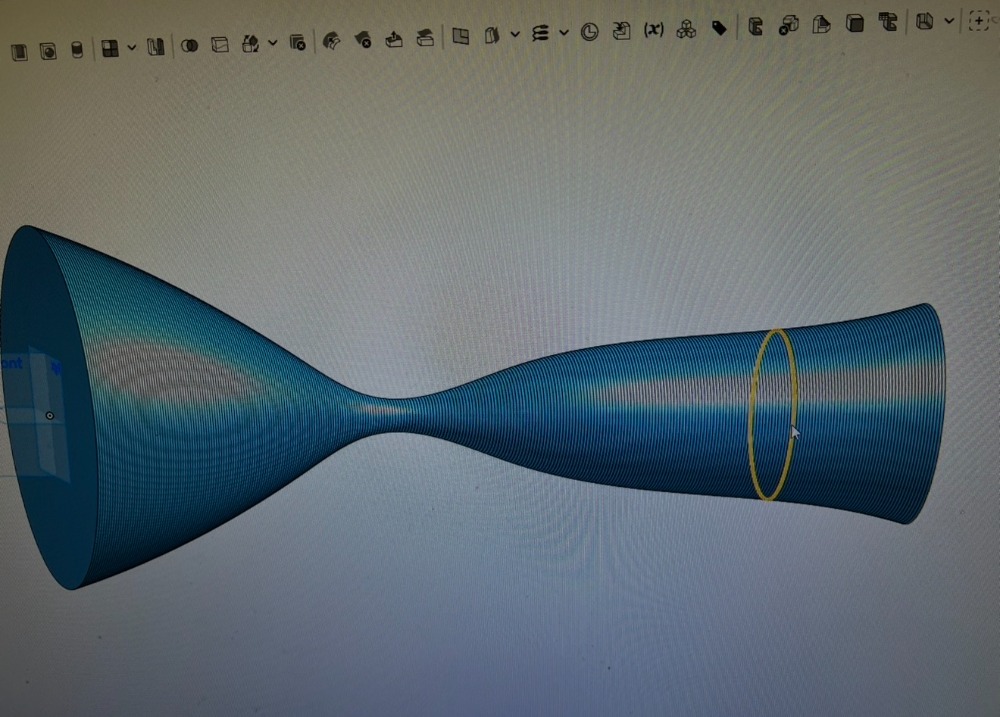
I used Onshape to explore component geometry and developed a nose-cone design for the build. Working in CAD helped connect the intended form of a part to the next step: making and integrating it. SolidWorks is now my primary CAD platform; the model documented here is from Onshape.
Materials & fabrication
From the screen to physical parts.
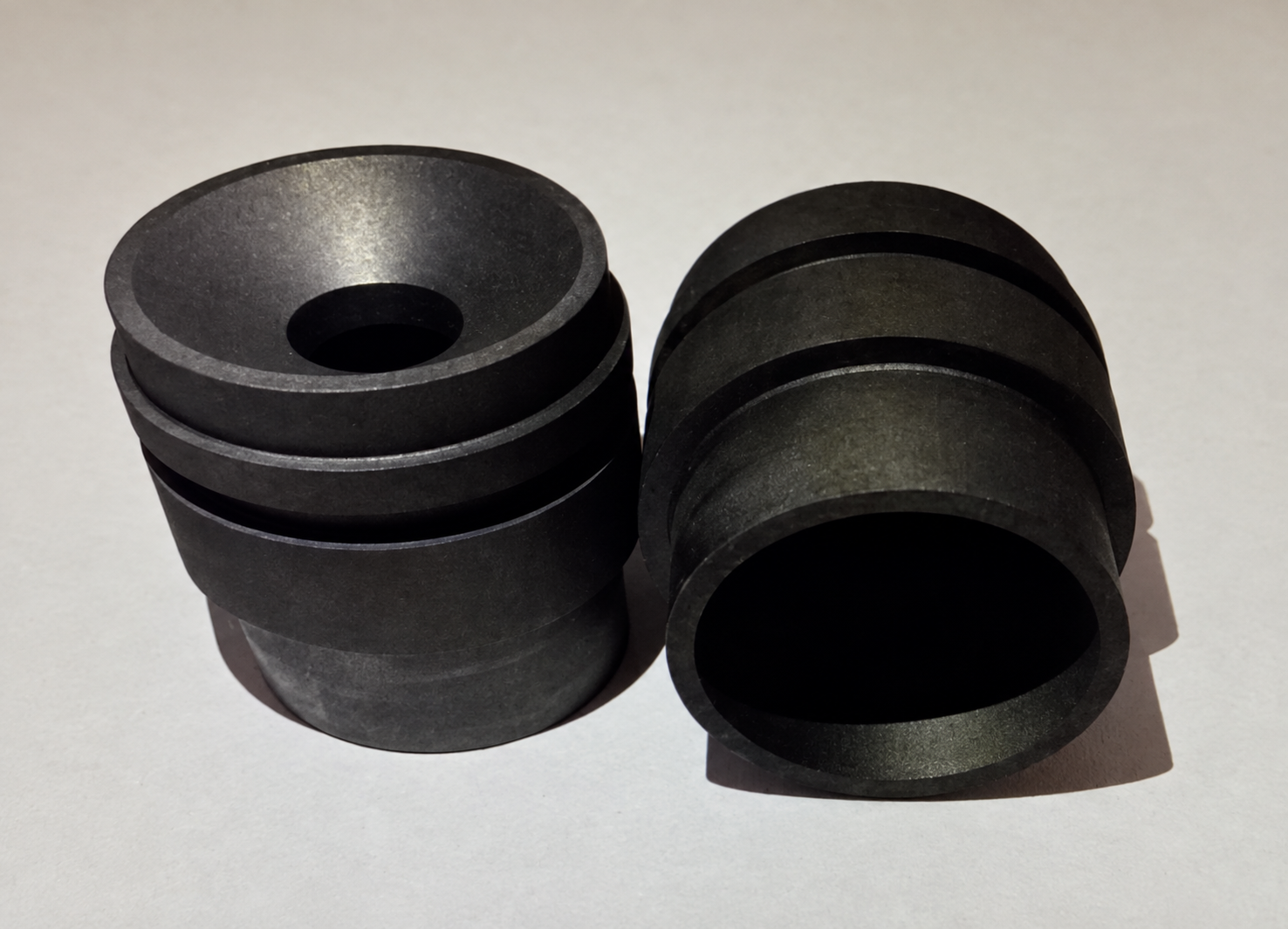
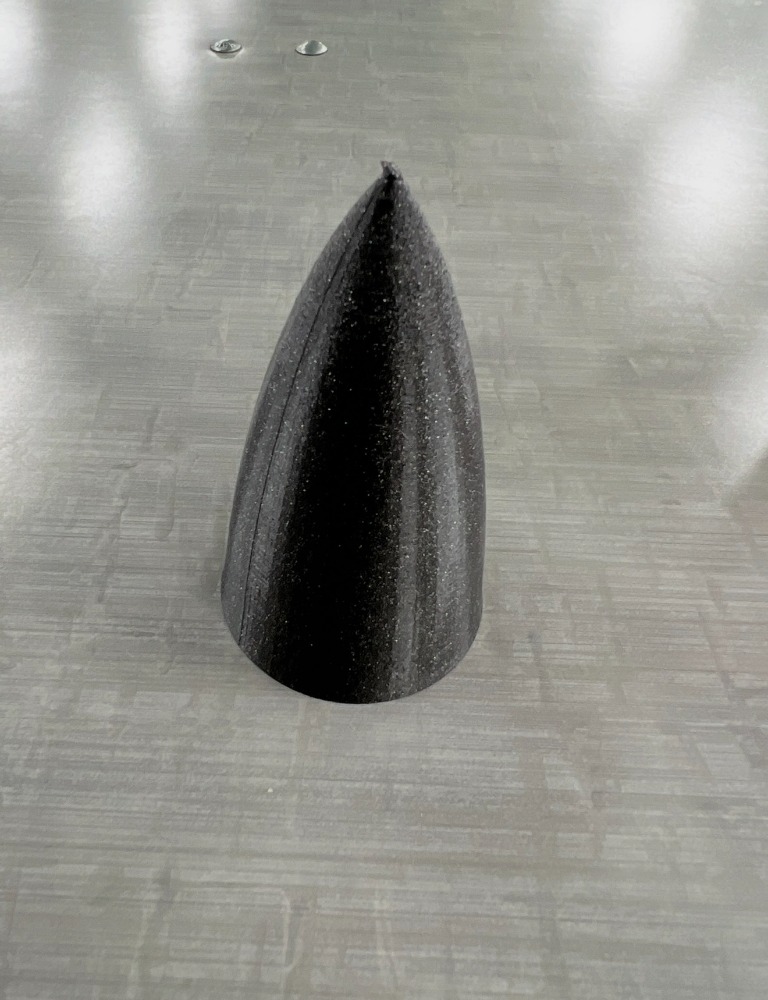
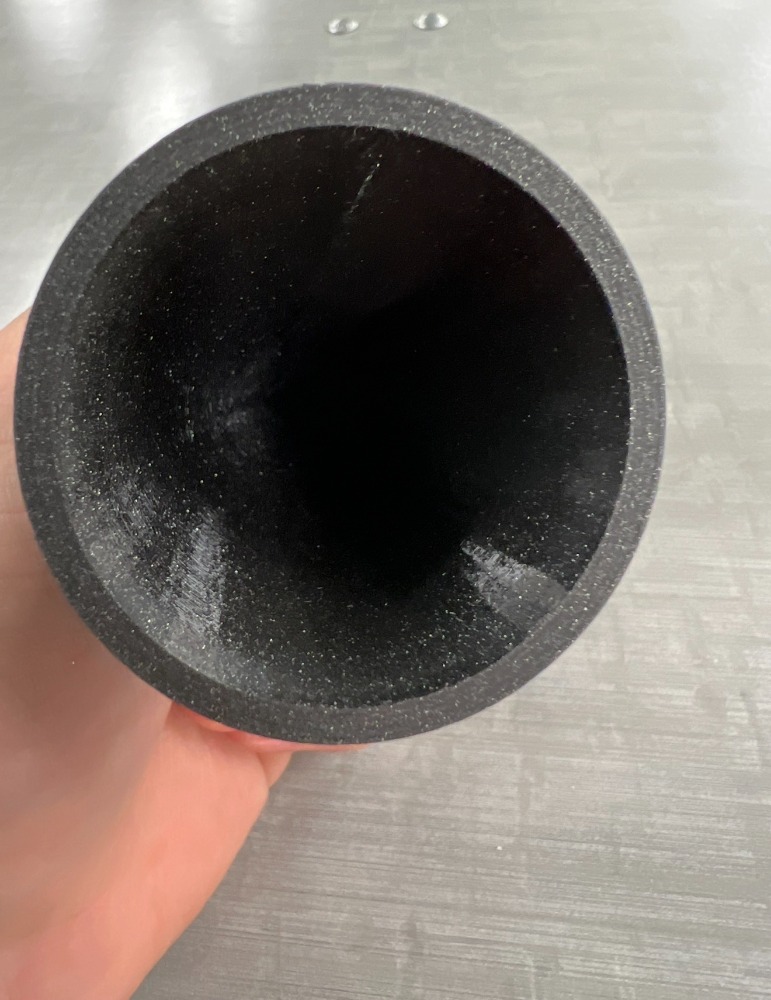
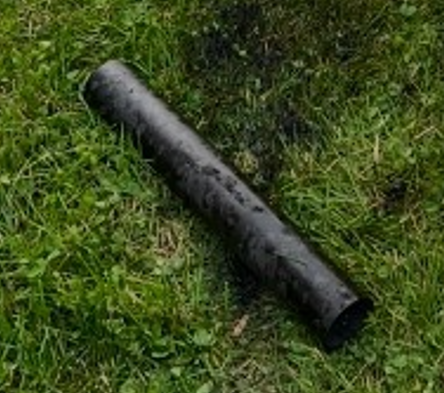
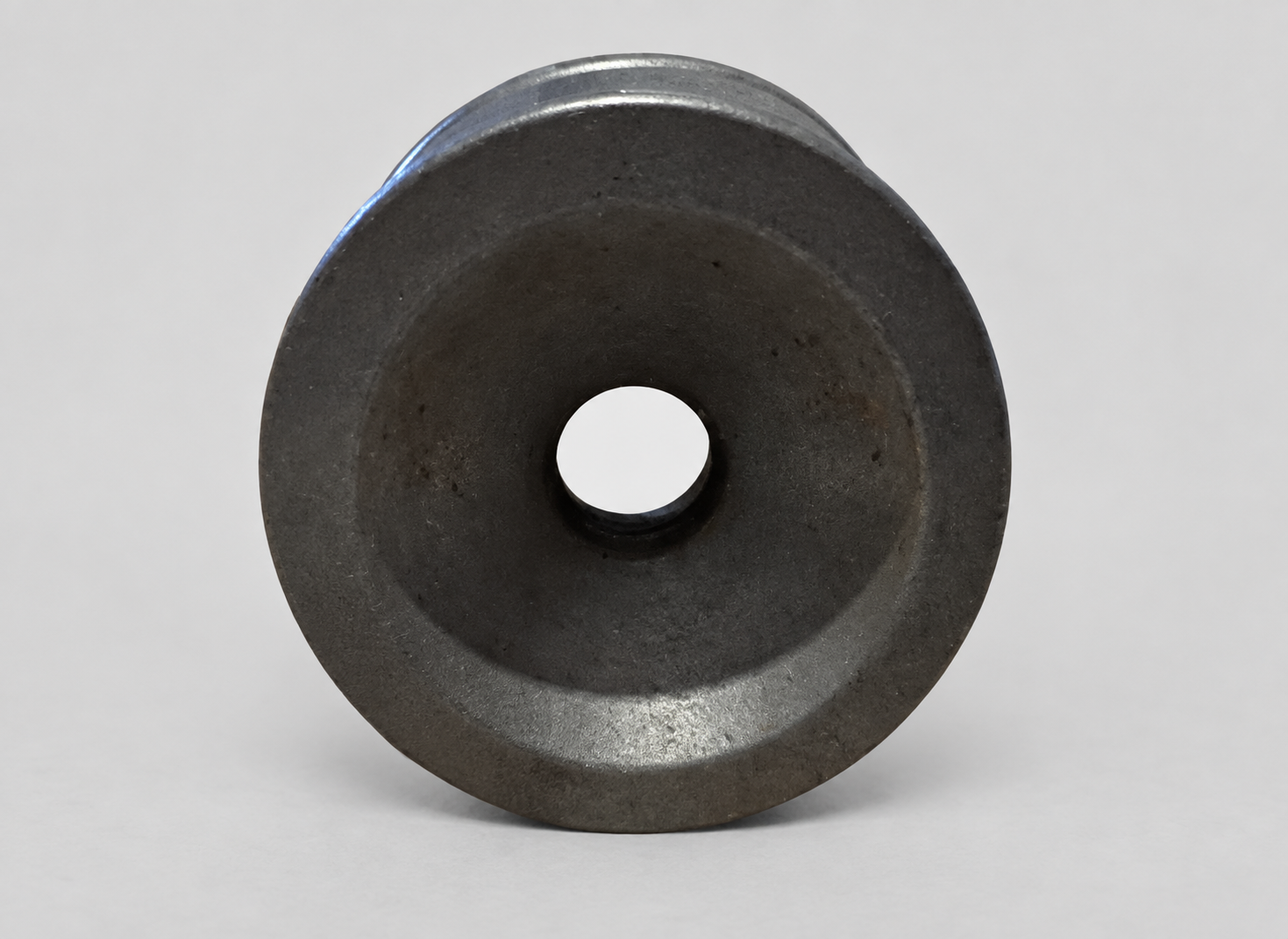
The later design brought together a carbon-fiber tube for the airframe, a 3D-printed nose cone, and selected hardware. Printing the nose cone made the design tangible and provided a physical part to evaluate alongside the rest of the assembly.
Build & integration
Learning at the interfaces.
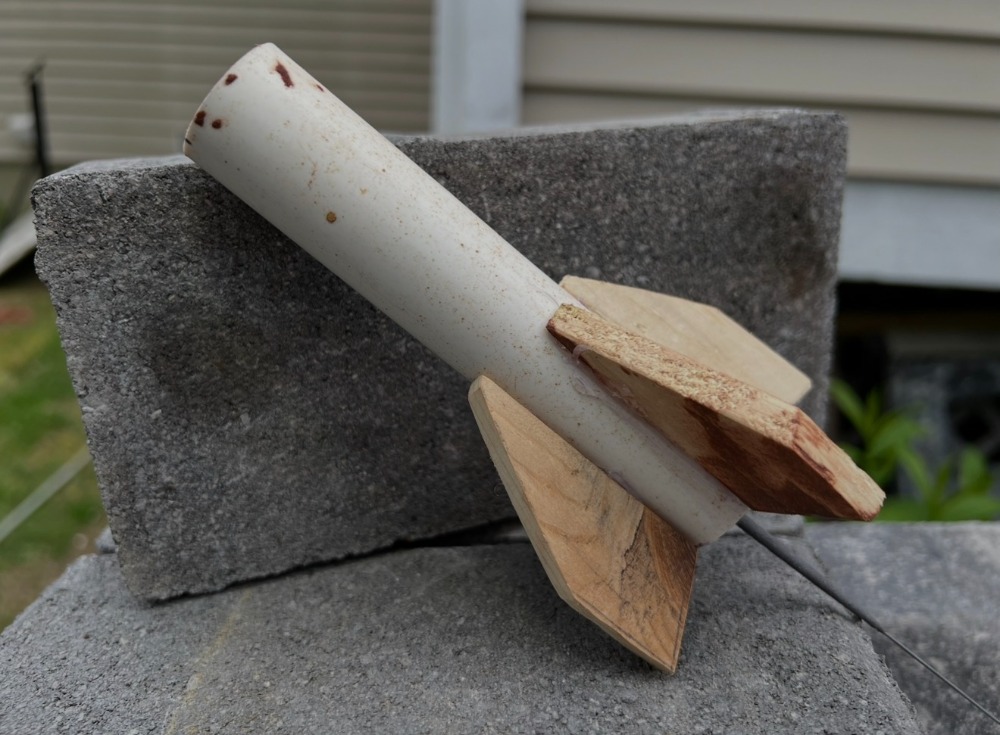
An earlier version was completed as a group project. I took on more independent leadership and design responsibility in a later iteration, bringing together research, CAD, sourced parts, and prototype assembly. Each build made the relationship between individual components and the overall system more concrete.
Testing & observation
Real hardware. Real limitations.
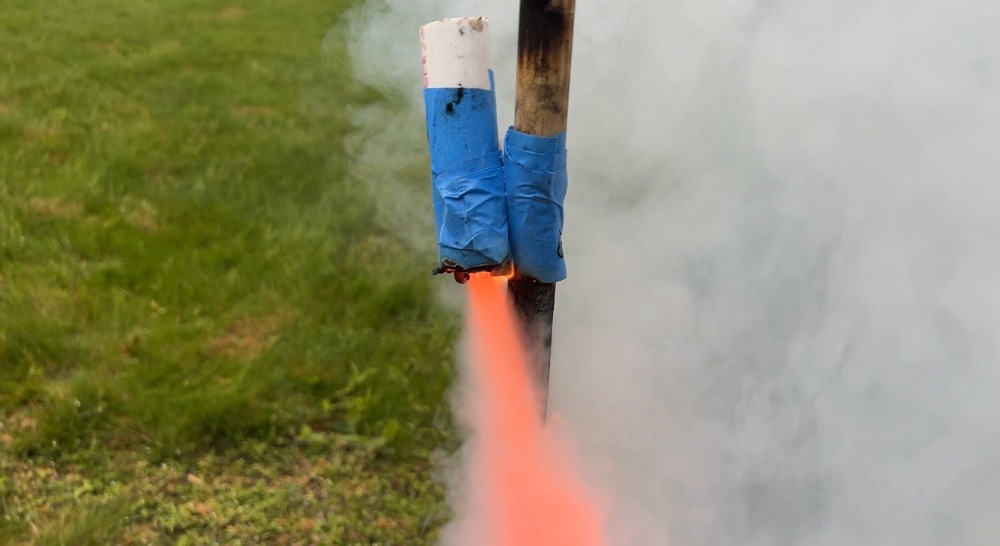
Physical tests provided qualitative observations to inform the next iteration. The photographs document ground testing and the experimental setup. Results were limited; these images do not establish a successful flight, measured thrust, or validated performance.
Test outcome: limited results. Observations informed the next iteration.
Iteration & lessons learned
The result is also a design input.
The value of this project was in following a design through to hardware and seeing where the result fell short. Moving from a group build to greater independent responsibility strengthened my approach to research, component selection, and practical problem solving.
Design for the whole assembly
A component model is only part of the problem. Materials, manufacturing, and the way parts come together all matter.
Separate observation from evidence
Visible test behavior is useful documentation, but it is not a substitute for measurements or proof of successful flight.
Carry the learning forward
Limited results are worth documenting. They expose the questions a future design and test plan need to answer.
Continue the conversation